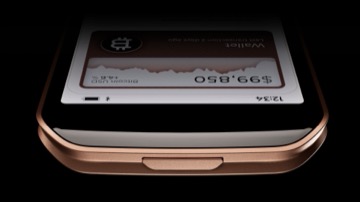
Choosing your first Bitcoin hardware wallet can feel intimidating, with unfamiliar terms like secure element, open source, and multisig thrown around as if everyone already knows what they mean. This guide cuts through that. It explains, in plain language, what actually matters when picking a hardware wallet, so you can choose the right device with confidence and get your Bitcoin into proper cold storage.
We may earn a commission from links on this page, at no extra cost to you, and we only recommend what we would actually use.
First, why a hardware wallet at all
A hardware wallet is a small dedicated device whose entire purpose is to keep your private keys offline. Your keys are the thing that actually controls your Bitcoin, and as long as they live on an internet-connected phone or computer, they are exposed to malware and remote attackers. A hardware wallet generates and stores those keys on the device itself, so they never touch the internet. When you want to send Bitcoin, the device signs the transaction internally and only the signed result leaves it, never the keys.
That single property, keys generated and kept offline, is the heart of every good hardware wallet. Everything below is about how well a given device delivers on it and how pleasant it makes the experience. Keep that in mind and the choice gets much simpler.
What to look for, criterion by criterion
A dedicated secure chip
The strongest hardware wallets use a secure element, a dedicated chip designed specifically to resist physical attacks and protect secrets. Many top devices use a dual-chip design, pairing a general-purpose processor with a separate secure chip for defense in depth. The secure chip often includes a true random number generator, which matters because strong, unpredictable key generation is the foundation of your wallet's safety. If a device pairs a main processor with a certified secure chip, that is a good sign it takes physical security seriously.
Open-source, audited firmware
In Bitcoin, the ideal is to verify rather than trust. Open-source firmware means the code running on your device can be inspected by independent security researchers, rather than hidden inside a sealed product. A device whose firmware is fully open source and has been independently audited gives you, or experts you rely on, the ability to confirm it behaves as claimed. This transparency is one of the most valued qualities in the community, and it pairs especially well with a focused, smaller codebase that is easier to audit.
Backup and recovery that you will not fumble
Here is an underrated truth: the most common way people lose Bitcoin in self-custody is a botched backup, not a hack. So how a wallet handles backup matters enormously. The classic method is writing down a recovery phrase of words, which works but is easy to get wrong. Some devices improve on this with a microSD card that creates an instant, encrypted backup during setup, or with encrypted keycards. These guided methods make both initial setup and future recovery faster and far less error-prone, which is a genuine safety feature, especially for newcomers. Whatever the method, make sure you understand it before you buy.
Bitcoin-only versus multi-asset firmware
Some wallets run firmware that supports only Bitcoin, while others handle many cryptocurrencies. This is not about which is objectively better, it is about matching the device to what you own. If you only hold Bitcoin, a Bitcoin-only firmware is appealing because less code means a smaller attack surface and a simpler device to trust. Several devices offer a dedicated Bitcoin-only edition for exactly this reason. If you hold other assets too, a multi-asset device makes more sense. Decide what you actually own first, then pick accordingly.
A screen you can verify on
Your hardware wallet's screen is your source of truth. When you send Bitcoin, the device should show you the address and amount on its own display so you can confirm them independently of your computer, which might be compromised. Screens range from compact OLED displays with touch sensors to large color touchscreens. A bigger screen is easier to read and makes confirming details more comfortable, while a smaller one keeps the device compact and discreet. Either works, as long as you can clearly verify what you are signing.
Multisig support, for later
You may not need it on day one, but it is worth choosing a device that can grow with you. Multisignature setups require multiple keys to move funds, which dramatically increases security for larger holdings. Most quality hardware wallets can act as a signer in a multisig, and a popular advanced strategy is to combine devices from different makers so that no single vendor is a point of failure. Picking a wallet with solid multisig support keeps that door open for the future.
Build quality, manufacturer, and jurisdiction
Finally, consider who makes the device and where. A reputable manufacturer with a track record in the Bitcoin community is worth a lot, since you are trusting them to ship an untampered, well-engineered product. Some people also weigh the country of manufacture, preferring a particular jurisdiction for the company and its supply chain. Build quality matters too: a device you will use for years should feel solid and reliable, not flimsy.
Two strong examples
Criteria are easier to apply with concrete devices, so here are two excellent options that sit at opposite ends of the spectrum.
The Foundation Passport Prime is a premium, US-assembled device with a large 3.5 inch touchscreen, a dedicated secure element, and an operating system built on a Rust microkernel. It reaches beyond Bitcoin with extras like two-factor authentication, passkeys, and encrypted storage, making it a do-everything security device for people who want a polished, modern experience and will use those additional features. It sits at the premium end at 349 dollars, and the price reflects the build and capability.
The BitBox02 is a focused, Swiss-made device with fully open-source, independently audited firmware, a dual-chip design with a certified secure chip, and a microSD backup system that is among the most beginner-friendly anywhere. It comes in a Bitcoin-only edition for purists who want the smallest possible attack surface, and it costs less than the Passport Prime. It is compact, discreet, and a favorite of people who value open-source verifiability and simplicity.
Notice how they map onto the criteria above. The Passport Prime leans into a premium experience, a big screen, and broad capability. The BitBox02 leans into open-source focus, easy backups, and value. Neither is wrong, they simply suit different people. If you want a closer look, our Passport Prime vs BitBox02 comparison puts them head to head.
So which should you choose?
Work backward from your own priorities. If you want a premium, US-assembled device with a large touchscreen and would genuinely use features beyond Bitcoin, the Passport Prime is a natural fit. If you want focused, open-source, verifiable Bitcoin self-custody at a better price, especially in a Bitcoin-only edition with the easiest backups in its class, the BitBox02 is hard to beat. Geography can break a tie, since Foundation is US-based and BitBox is Swiss, so shipping convenience may nudge you one way. And remember that a serious long-term stack can eventually use one of each in a multisig, so today's choice does not lock you in forever.
If you are still unsure, default to the device whose backup method and screen you find most reassuring, because those are the parts you will actually interact with. A wallet you understand and use correctly beats a theoretically perfect one you find confusing.
How to buy safely
Whichever you choose, buy directly from the manufacturer rather than a third-party reseller, so the device reaches you untampered. When it arrives, inspect the packaging, set the device up yourself so the keys are generated in front of you, and create your backup immediately, storing it offline and private. Never type your recovery words into any website or app, and never share them with anyone, since no legitimate company will ever ask. Treat that backup as the master key to your Bitcoin, because that is exactly what it is. Our guide on how to self-custody your Bitcoin walks through the whole process if you want a fuller picture.
Where Lightning Faucet fits in
Lightning Faucet is where you earn your sats, not where you store them long term. Every time you withdraw what you earn to a wallet you control, you take a step toward real self-custody, and a hardware wallet is the natural home for the Bitcoin you intend to keep. Earning is a great way to start, because it lets you practice the whole flow, earning, withdrawing to your own wallet, and securing it, with small amounts before you commit larger sums.
Choosing a hardware wallet is not about finding the single best device, it is about finding the right one for you. Use the criteria above, lean toward a reputable maker, and pick the device whose trade-offs match how you think about your Bitcoin. Then earn your sats, move them into cold storage, and enjoy the peace of mind that comes from truly holding your own keys. For a ranked overview of strong options, see our best Bitcoin hardware wallets roundup.