Once you are earning and stacking real Bitcoin, the next decision is where to keep it for the long run. A hardware wallet is the standard answer: a small dedicated device that keeps your private keys completely offline, so the Bitcoin you earned is genuinely yours and out of reach of hackers and exchanges alike. This guide covers what separates a good hardware wallet from a mediocre one, and our top picks for 2026.
We may earn a commission from links on this page, at no extra cost to you, and we only recommend what we would actually use.
Why a hardware wallet matters
When you hold Bitcoin yourself, a secret called your private key controls the coins. A hardware wallet generates and stores that key inside a device that never connects directly to the internet, and signs transactions internally so the key never leaves. That offline boundary is the whole point. Malware on your laptop cannot read a key that physically lives somewhere else, and a phishing site cannot trick a device that shows you the real details on its own screen and waits for a physical confirmation.
For small, active balances a mobile wallet is fine. But for the portion of your stack you are holding for the long run, cold storage on a hardware wallet is the single biggest security upgrade you can make. The question is not whether to use one, but which one fits you.
What makes a hardware wallet good
Before the picks, here is what actually matters when you compare devices. These are the criteria we weighted, and the ones you should weigh too.
A dedicated secure element. This is a specialized chip designed to guard secrets even if the rest of the device is compromised. The best wallets pair a general processor with a separate, certified secure chip.
Open-source, audited firmware. You are trusting this device with your money, so being able to verify what it actually does, rather than taking a marketing promise on faith, is a real advantage. Open code that independent researchers have actually reviewed beats a sealed black box.
A sensible backup system. Whether it is a classic recovery-phrase or a microSD backup, recovering your wallet should be straightforward, because a fumbled backup is one of the most common ways people lose Bitcoin.
A clear screen and honest confirmation flow. You should always confirm transaction details on the device itself, so a compromised computer cannot trick you. A bigger, clearer screen makes that habit easy.
Bitcoin focus, or at least Bitcoin done well. If you only hold Bitcoin, a device that focuses on Bitcoin keeps the code smaller and the attack surface tighter.
Buy direct. Whatever you choose, buy it straight from the maker so it reaches you untampered.
The best Bitcoin hardware wallets in 2026
Foundation Passport Prime, best premium and all-in-one
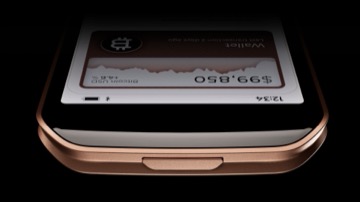
The Foundation Passport Prime is the most ambitious device on this list. It is a premium security device, priced at 349 dollars, that does Bitcoin self-custody and a good deal more. It has a large 3.5 inch touchscreen protected by Gorilla Glass, an anodized aluminum body, and it is assembled in the USA in an ITAR facility, which is unusual in this category.
On security it pairs a dedicated processor with a separate secure element, runs a modern operating system built on a Rust microkernel with app sandboxing, and includes active tamper protection that wipes the device after repeated wrong PINs. Beyond Bitcoin it also handles two-factor authentication codes, FIDO passkeys, and encrypted file storage, so it can replace several security tools with one device you control.
It is the right pick for serious Bitcoiners and power users who want a premium, US-assembled device and value the extra features. If you only want a simple Bitcoin wallet, it is more than you need, and that is worth being honest about.
BitBox02, best open-source and best value
The BitBox02 takes the opposite, focused approach, and it is excellent. It is a Swiss-made device from BitBox with fully open-source firmware that independent researchers have audited, so you can verify what it does rather than trust a sealed box. It uses a dual-chip design with a certified secure chip, and a microSD card system that makes backup and recovery genuinely fast and beginner-friendly.
Crucially, it comes in a Bitcoin-only edition with firmware that supports Bitcoin and nothing else, which keeps the code small and the attack surface minimal. That makes it the natural choice for purists who only hold Bitcoin. The interface uses capacitive touch sensors and a clean OLED display, and reviewers consistently praise how pleasant it is to use.
It is the right pick for security-conscious Bitcoiners who value open-source transparency and a tidy, no-fuss experience at a sensible price. It is also a genuinely good first hardware wallet thanks to the easy backups.
How to choose between them
The honest decision tree is short. If you want a premium, do-everything device with a big touchscreen and you would use the extra 2FA, passkey, and storage features, the Passport Prime is built for you. If you want focused, verifiable, open-source Bitcoin self-custody at a better price, especially in a Bitcoin-only edition, the BitBox02 is the one.
Geography matters a little too. Foundation is a US company, so US buyers get easier shipping. BitBox is Swiss, so European buyers often get faster delivery and no import hassle. Both ship widely, but it is worth factoring in.
There is no wrong answer here. Both keep your keys offline and under your control, which is the entire point. The difference is how much device you want and how much you value being able to verify the firmware yourself.
Other options worth knowing about
The two picks above are the ones we recommend and stand behind, but they are not the only reputable hardware wallets out there. Bitcoin-only devices from other established makers exist, and some Bitcoiners swear by air-gapped, QR-only designs that never connect to a computer at all. If you are the kind of person who likes to research exhaustively, it is worth knowing the category is healthy and competitive.
That said, more choice is not always better. The wallets we feature here cover the two profiles most people fall into: the premium, do-everything buyer and the focused, open-source, value-minded buyer. If you find yourself agonizing over a third or fourth option, that is usually a sign you are optimizing past the point that matters. Any well-built, open, secure-element device you buy direct and set up yourself will protect your Bitcoin. The differences between the good ones are real but small compared to the difference between using one and using none.
Hardware wallet versus a hot wallet
It helps to be clear about what a hardware wallet is and is not replacing. A hot wallet, the app on your phone, is perfect for small, active balances and for receiving the sats you earn. It is fast and free. The trade-off is that its key lives on an internet-connected device.
A hardware wallet is not a competitor to your hot wallet, it is a complement. The sensible setup most people land on is a hot wallet for spending money and a hardware wallet for savings, the same way you keep a little cash in your pocket and the rest somewhere safer. You do not have to choose one or the other. You graduate to cold storage for the portion of your stack that you would be genuinely upset to lose.
Common mistakes to avoid
A few avoidable errors account for most lost Bitcoin, and none of them require a hardware wallet to be at fault. Buying from a third-party reseller instead of direct. Photographing or cloud-storing your recovery words instead of keeping them offline. Approving a transaction without checking the address on the device screen. Never testing that your backup actually restores before trusting it with savings. A good hardware wallet makes all of these easy to get right, but the habits are still yours to keep.
Buying safely
Whichever you choose, follow the same habits. Buy direct from the maker, never a random reseller. Check the packaging and any tamper-evidence when it arrives. Set the device up yourself so the keys are generated in front of you, and back up your recovery properly, offline, the moment the device gives it to you. Never type your recovery words into a website or share them with anyone, because no legitimate service will ever ask.
Where Lightning Faucet fits in
A hardware wallet is only useful once there is something on it. Lightning Faucet is a zero-cost way to start that stack: earn your sats through games and small tasks, then withdraw them to the device you picked from this list. Practicing the withdraw-and-verify flow with small amounts will teach you more about self-custody than any spec sheet.
Whichever pick you land on, premium and do-everything or focused and open-source, the habit matters more than the hardware. Stack a little at a time, confirm every receive address on the device screen, and your future self will thank you for starting now.